Update — 15 September 2026. The Cabinet approved the Outline on the temporary reduction of consumption tax on food and drink and the introduction of the employment burden relief benefit. It confirms the reduced rate of 1% from 1 April 2027 to 31 March 2029 (0.78% national + 0.22% local), keeps newspaper subscriptions at 8%, and gives the new benefit its formal name: the employment burden relief benefit (shugyosha futan keigen shienkin). The bill goes to the extraordinary Diet session expected to convene in early October, and the government aims to pass it within the year. The benefit amounts and income thresholds are still undecided and have been deferred to the FY2027 budget process. Businesses selling food should read our guide to the seven special measures for businesses. The National Tax Agency has opened a dedicated portal.
When does the food consumption tax cut start? How much will the 1% plan, limited to 2 years, save your household
As a centerpiece of measures against rising prices, the government and ruling parties are moving forward with a plan to cut the consumption tax on food. Reports say they are finalizing around a plan of a 1% rate, a limited period of 2 years, and a start in April 2027, and interest is growing over questions like "When will things get cheaper?", "How much will my household save a year?", and "Will eating out get cheaper too?". Here we clearly organize the mechanism and its effect on household finances, based on the latest developments as of June 2026.
On 5 August 2026 the Cabinet approved the "Basic Policy for Introducing a Refundable Tax Credit," officially fixing the plan to cut the consumption tax on food and drink to 1% for two years from 1 April 2027[Cabinet decision, Basic Policy PDF (in Japanese)]. The related bill is expected to be deliberated in the autumn extraordinary Diet session, and details may change until it passes. Note that the rate is set to return to 8% in April 2029 when the period expires, and a cash benefit for that year (a twice-a-year payment proposal) is reportedly being considered — we examine it in our follow-up article on the end of the tax cut and the benefit.
What changes? (points at a glance)
How much will your household save? (estimates by household)
What gets cheaper from the cut is the consumption tax included in food. When the rate goes from 8% to 1%, roughly just under 7% (about 6–7%) of food spending is eased (more precisely, tax-included spending × 7 ÷ 108 ≒ about 6.5%). Since eating out and alcohol are out of scope, the "food cost" below is considered as food and beverages eaten at home (excluding eating out and alcohol).
The Family Income and Expenditure Survey gives a benchmark. In 2025, households of two or more people spent 94,895 yen a month on food; excluding 3,784 yen on alcohol and 16,563 yen on eating out, about 74,500 yen a month (about 894,000 yen a year) is covered by the cut. Multiplying by 7 ÷ 108 gives about 58,000 yen a year as the relief for an average household[Statistics Bureau, Family Income and Expenditure Survey 2025 (in Japanese)].
| Household (guide for at-home food cost) | Annual food cost | Amount eased by 8%→1% (guide / year) |
|---|---|---|
| Single (¥30,000/month) | About ¥360,000 | About ¥23,000 |
| Couple, 2 people (¥60,000/month) | About ¥720,000 | About ¥47,000 |
| Family of 3 (¥80,000/month) | About ¥960,000 | About ¥62,000 |
| Family of 4 (¥100,000/month) | About ¥1,200,000 | About ¥78,000 |
| Family of 5 (¥120,000/month) | About ¥1,440,000 | About ¥93,000 |
Amount eased (year) = annual food cost (tax-included, excluding eating out/alcohol) × 7 ÷ 108
Example: a family of 4 at ¥1,200,000 a year → ¥1,200,000 × 7 ÷ 108 = about ¥78,000/year
* If it becomes the "zero-% plan," the full 8% (about 7.4% of food cost) is eased, with about ¥89,000 a year as a guide for a family of 4.
What falls is the "7-percentage-point difference in the rate." It is not that you save only 1%; rather, the current 8% becomes 1% = the 7-point difference is eased. The gap from the zero-% plan is only 1 percentage point (about 1% of food cost).
What is covered? What happens to eating out and alcohol
The scope is "items currently subject to the reduced tax rate of 8%." In other words, even after the cut, the line that "eating out is out of scope" does not change.
Falls (covered by the 1% plan)
- Rice, bread, noodles, meat, fish, vegetables, fruit
- Milk, tea, juice, water
- Sweets, seasonings, frozen food
- Takeout and delivery of prepared dishes and bento
- Non-alcoholic beverages
Does not fall (stays at 10%)
- Eating out (dining in the establishment)
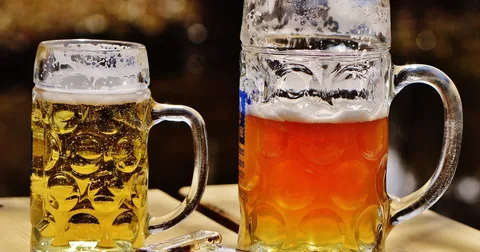
- Alcohol (beer, wine, sake, etc.)
- Catering and on-site cooking
- Medicines, daily goods, and other non-food items
* The same judgment as the current reduced tax rate — "takeout is covered, dining in is out of scope" — is expected to continue.
When does it start? Why April 2027
- June 2026 (now) As a measure against rising prices, finalizing around a rate of 1%, limited to 2 years. Prime Minister Takaichi is said to make the final decision in late June.
- Preparation period (upgrading registers and systems) The 1% plan is said to need 5–6 months, and the zero-% plan about 1 year, and this drives the start timing.
- April 2027 (prospect) Being finalized around the start of the cut.
- About 2 years later The time-limited measure ends, and it is designed to connect to the permanent system, the "refundable tax credit."
The government positions the food consumption tax cut as a bridging, time-limited measure, and beyond it intends to introduce a refundable tax credit (¥40,000 per person is the leading plan) as a permanent measure against rising prices. For details, see Explaining the refundable tax credit of "¥40,000 per person". The whole of the FY2026 reform is organized in Tax reform 2026 summary.
Things to watch out for
Separate articles work through the money side of everyday shopping: a quick table of how many yen you save on ¥100, ¥500 and ¥10,000, why the gap between eating out and takeout widens to 9 points, which rate applies to orders and subscriptions that straddle April 1, how to read receipts and spot opportunistic price rises, and a calendar of purchases worth waiting for.
The tax rate (1% or zero), start timing, and period are all being finalized. Be careful with information like "confirmed from month ◯" or "an application is required," and always check with official announcements.
In past rate changes, "opportunistic price hikes" or unchanged prices sometimes occurred due to higher raw-material costs and the like. Whether the amount of the cut is reflected directly in shelf prices may differ by product and store.
Retailers and restaurants handling food and beverages will face practical work such as setting tax rates in registers and accounting systems and how invoices are written. Once the start timing is confirmed, prepare early.
Summary
FAQ
When does the food consumption tax cut start?
It is being finalized around April 2027. The 1% plan is said to need 5–6 months and the zero-% plan about 1 year to upgrade registers and the like, and this drives the start timing. Both are prospects and not confirmed.
What will the tax rate be?
The axis is a plan to cut the current reduced rate of 8% to 1%. There is also a zero-% (tax-free) plan, but because system upgrades take time, the 1% plan is seen as leading. Nothing is officially decided.
Will eating out and alcohol get cheaper too?
No. The scope is food and beverages at the current reduced rate of 8%, and eating out (dining in) and alcohol are out of scope = expected to stay at 10%. Takeout and delivery are covered.
How much will my household save a year?
With 8%→1%, roughly 6–7% of at-home food cost (excluding eating out and alcohol) is eased. For a family of 4 with an annual food cost of ¥1,200,000, about ¥78,000 a year is the guide (estimate).
Is it different from a cash benefit or a refundable tax credit?
The food consumption tax cut is positioned as a "bridging, time-limited measure," and the refundable tax credit (¥40,000 per person is the leading plan) as a "permanent, full-scale system"; a design that connects to the refundable tax credit after the cut ends is being discussed.
Reference links (sources)
This article was prepared as of June 2026 based on the following information from public bodies and news reports. Because it is being finalized, please check official announcements for the latest and confirmed information.
- National Tax Agency — The reduced consumption tax rate system (covered items, the line for eating out) (in Japanese)
- Ministry of Finance — How the consumption tax works (in Japanese)
- Cabinet Secretariat — National Council on the All-Generation Social Security / Population Strategy (study of measures against rising prices) (in Japanese)
- Consumption tax cut 2026 | Finalizing toward an April 2027 start, with the 1% plan as the axis (taxlabor.com) (in Japanese)
- When does zero consumption tax on food start? The 2-year limited plan and each party's plan (Subsidy Portal) (in Japanese)
* This article is intended as general information and is not tax or policy advice. The food consumption tax cut is a policy being finalized, and its content may change. Please check the official announcements of the Ministry of Finance, the National Tax Agency, and each ministry for the latest and confirmed information.